


Evans Mill Road Bridge Replacement
Client Peoria Country
Capability Infrastructure Solutions
Industry Municipalities, Utilities
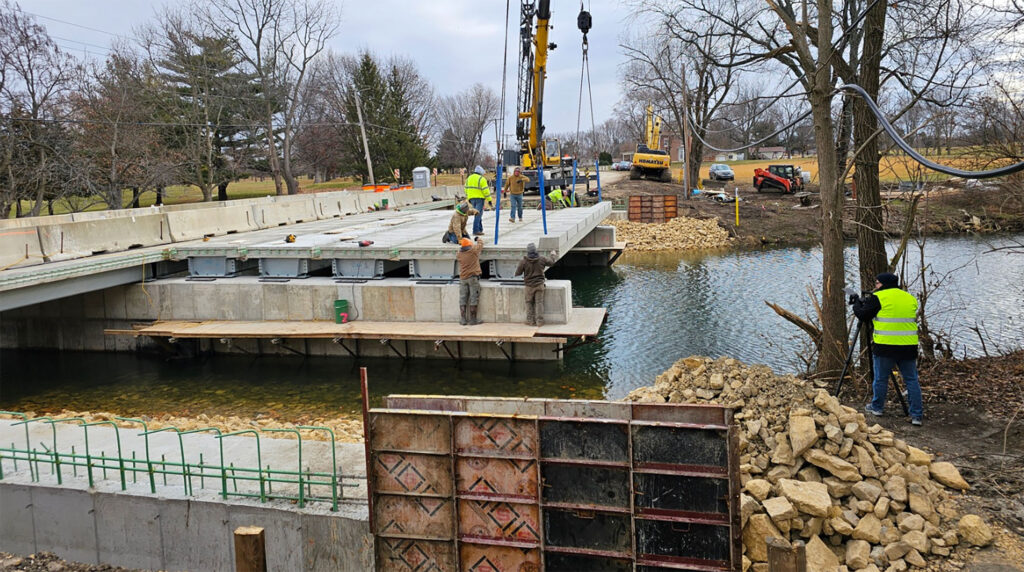
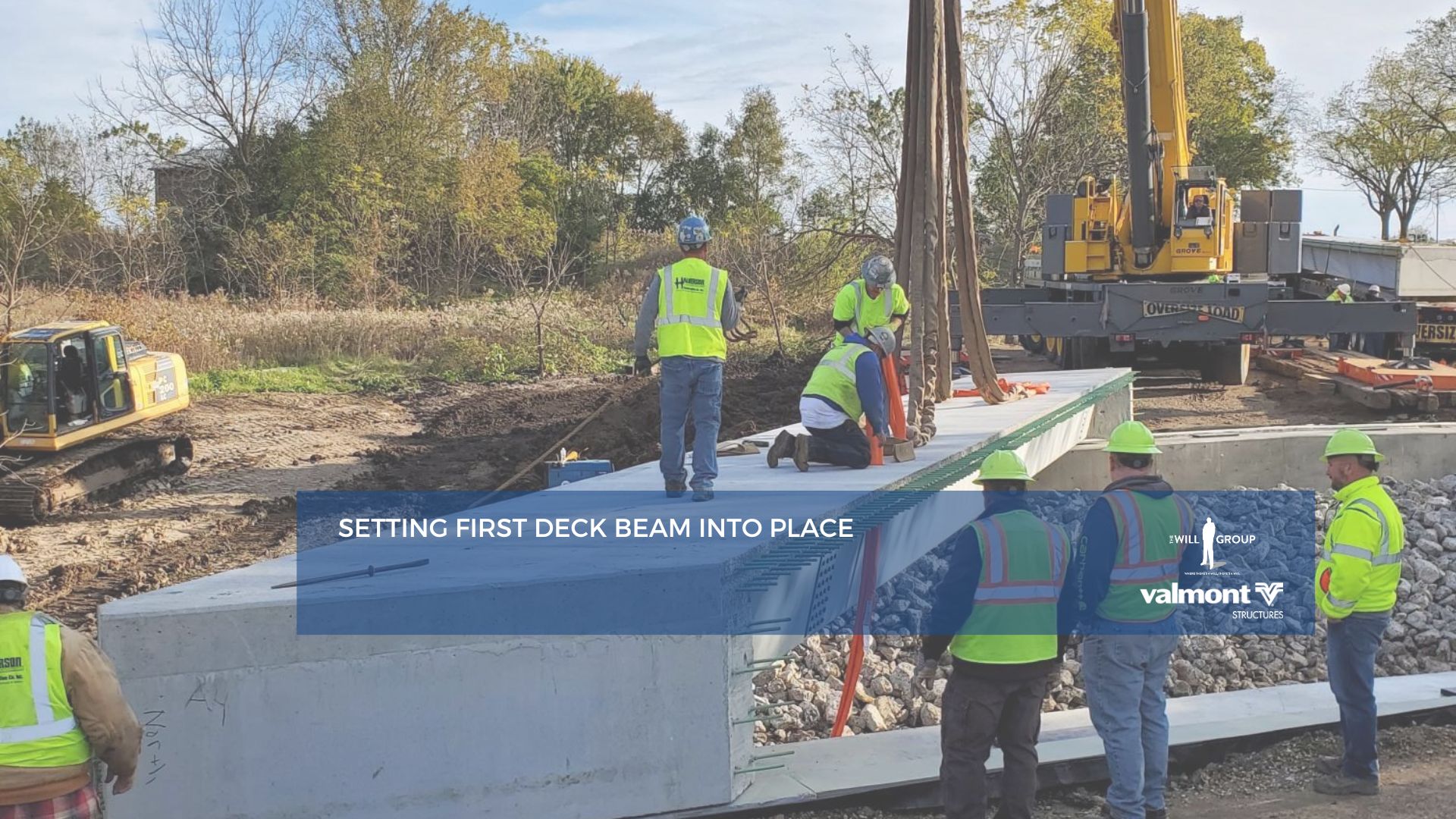
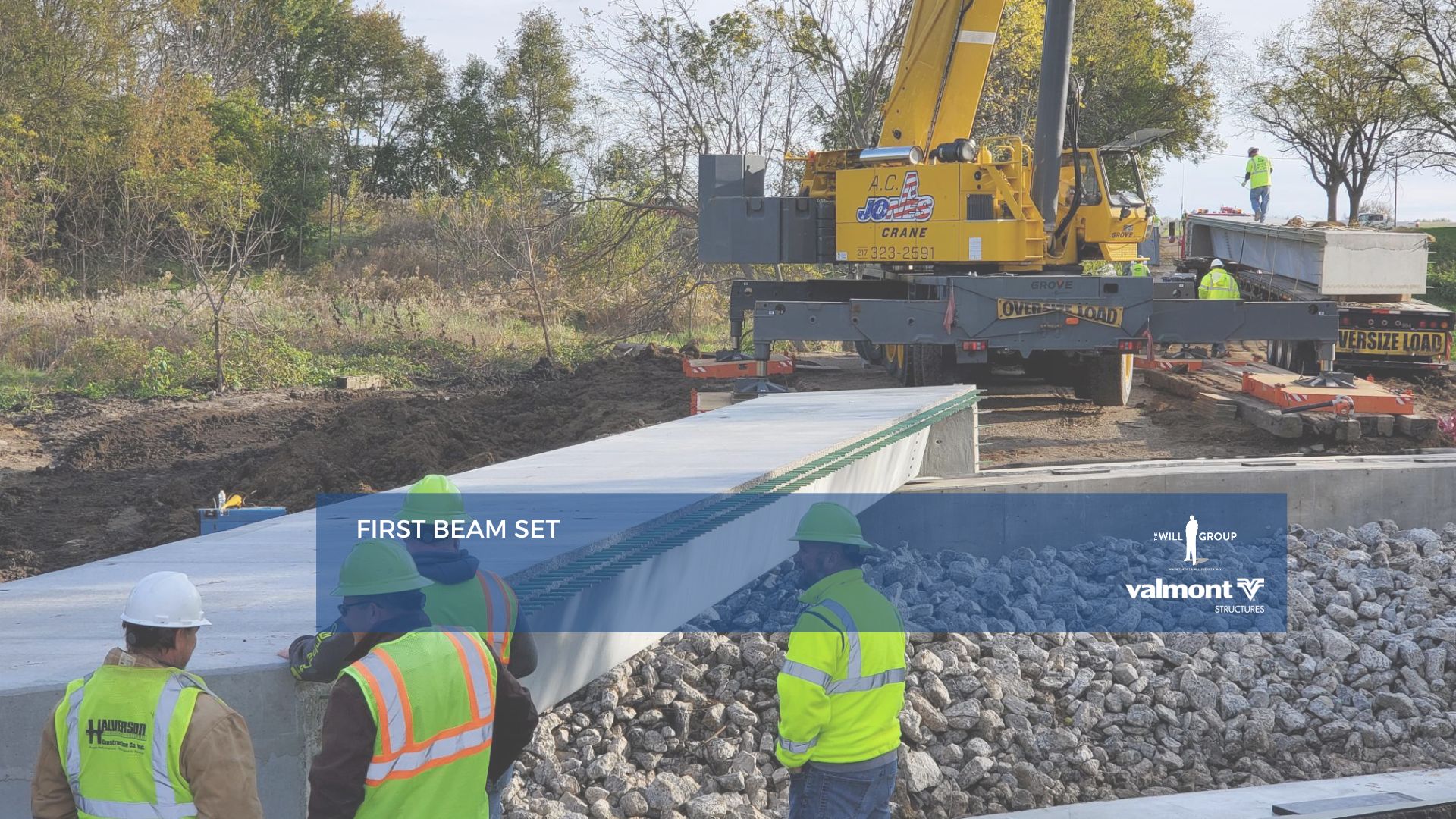
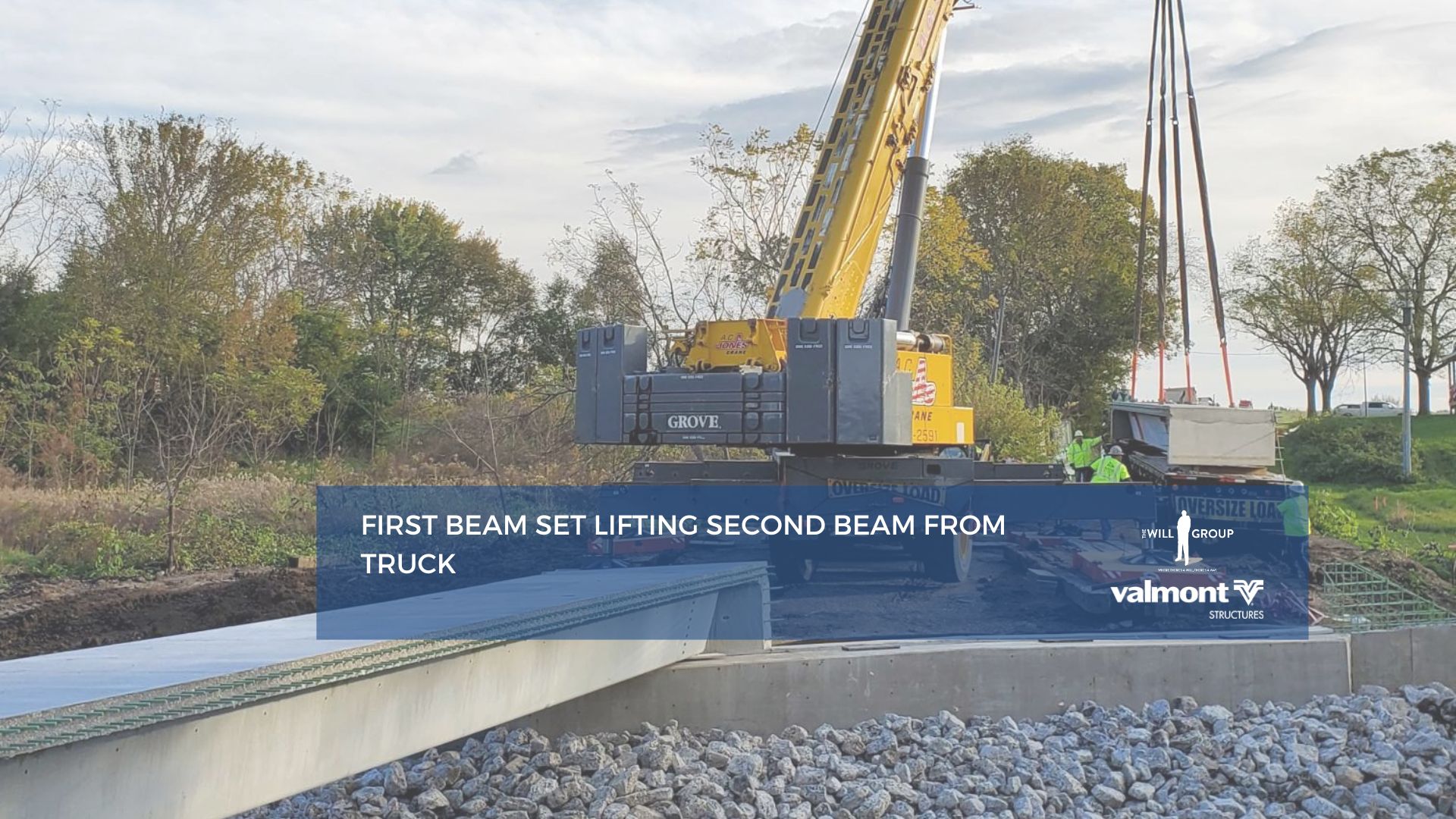
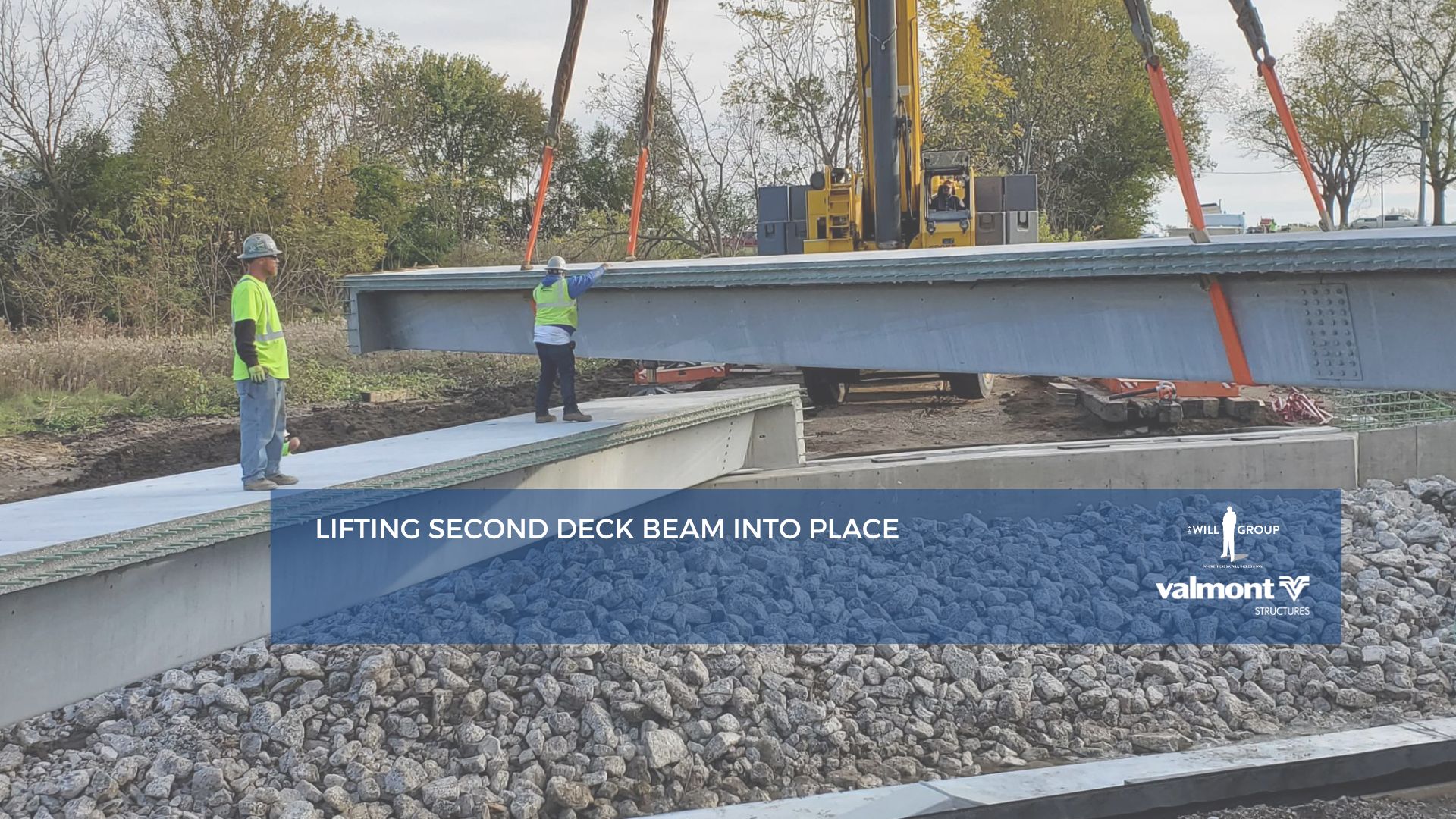
Scroll to learn moreThe Evans Mill Road Bridge replacement project, located in Peoria County, Illinois, involved the replacement of an aging and structurally compromised bridge. The project was designed to improve traffic flow, increase safety, and ensure long-term durability for both local and regional traffic. Under the guidance of Peoria County’s engineering team, led by County Engineer Amy Benecke McLaren, Assistant County Engineer Jeff Gilles, and Resident Civil Engineer Carl Bjerk, the project aimed to meet the growing demands of the area while adhering to the highest safety and environmental standards. The project was designed by Hanson Professional Services and constructed by White Construction.
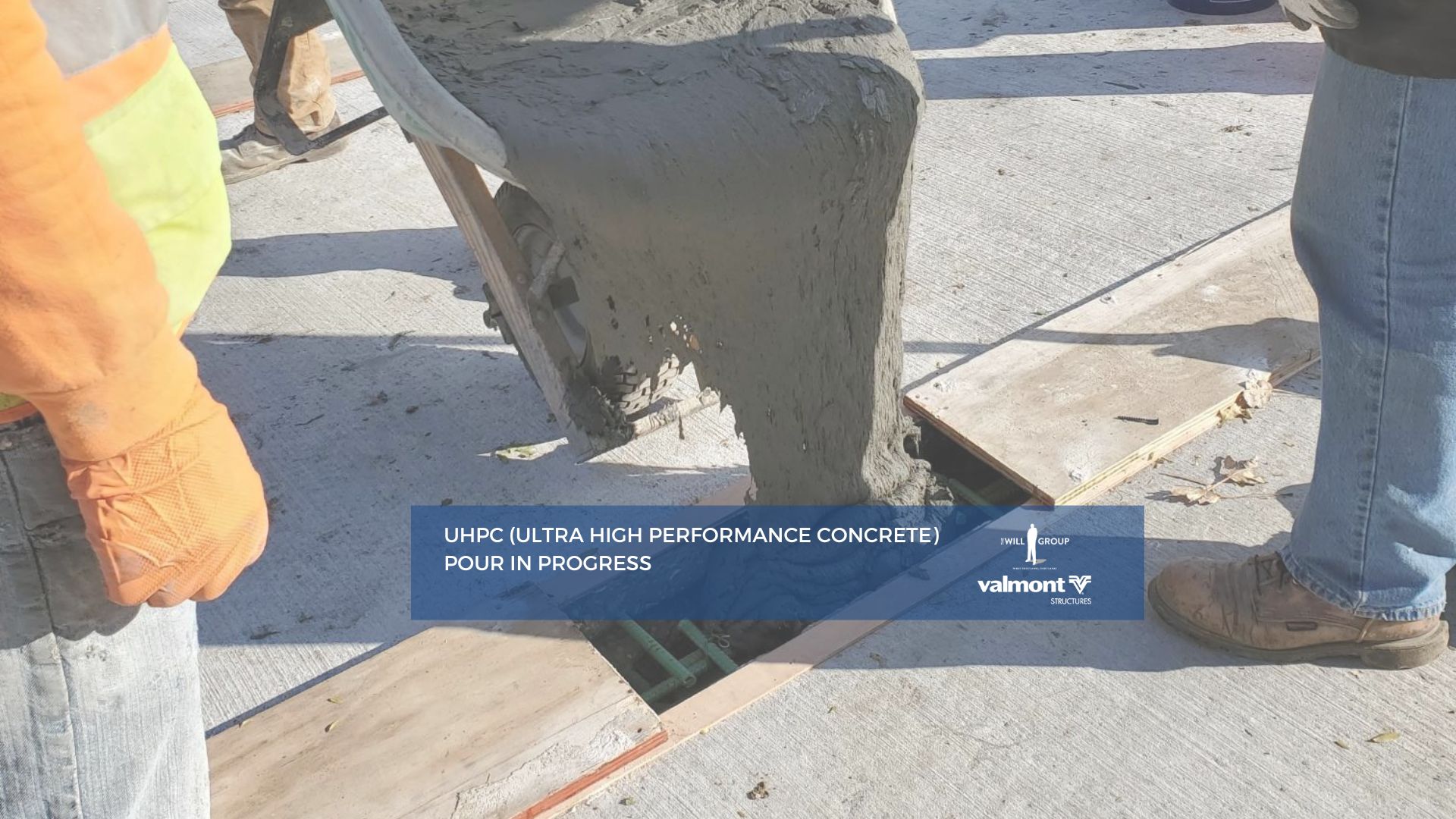
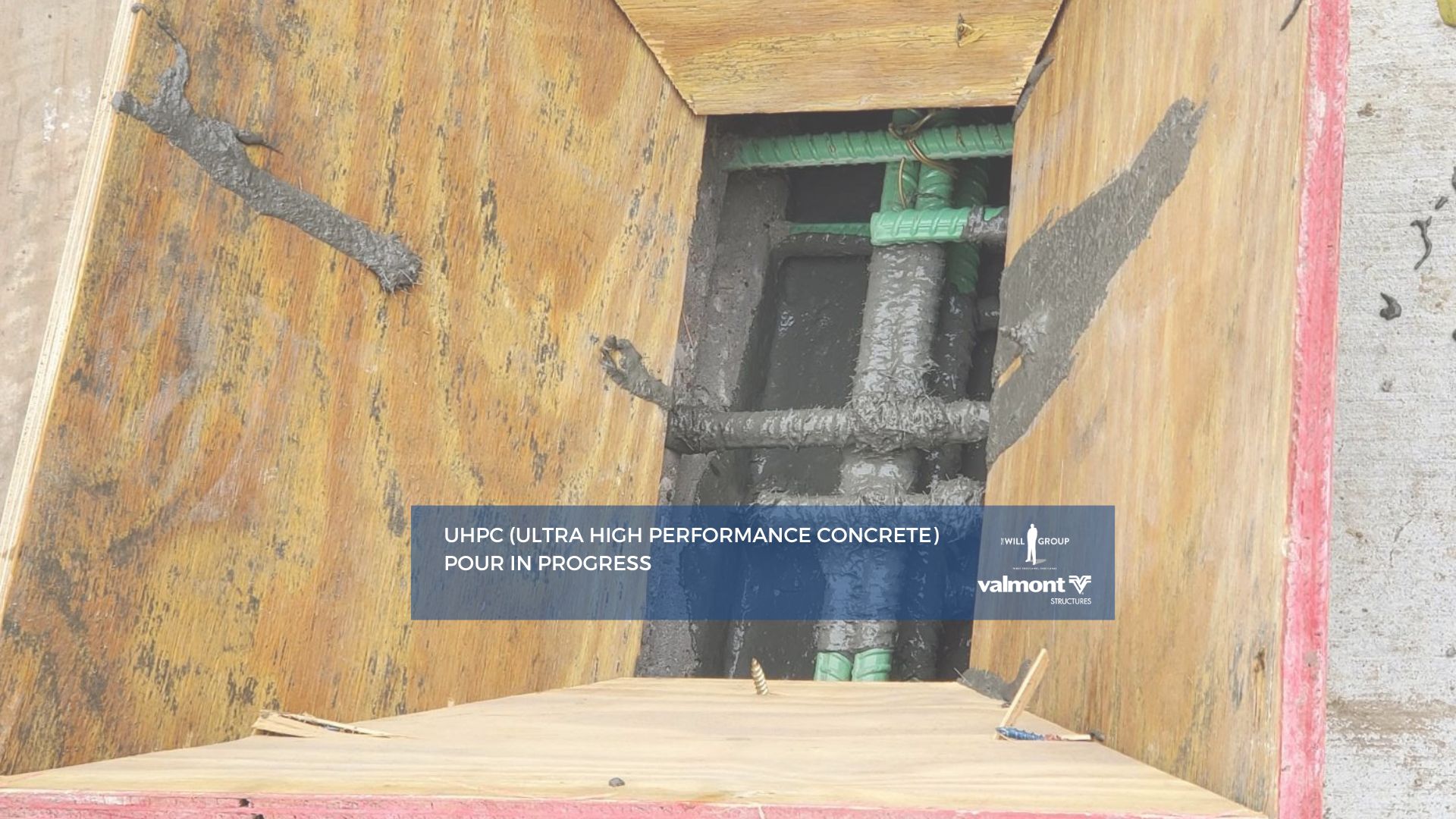
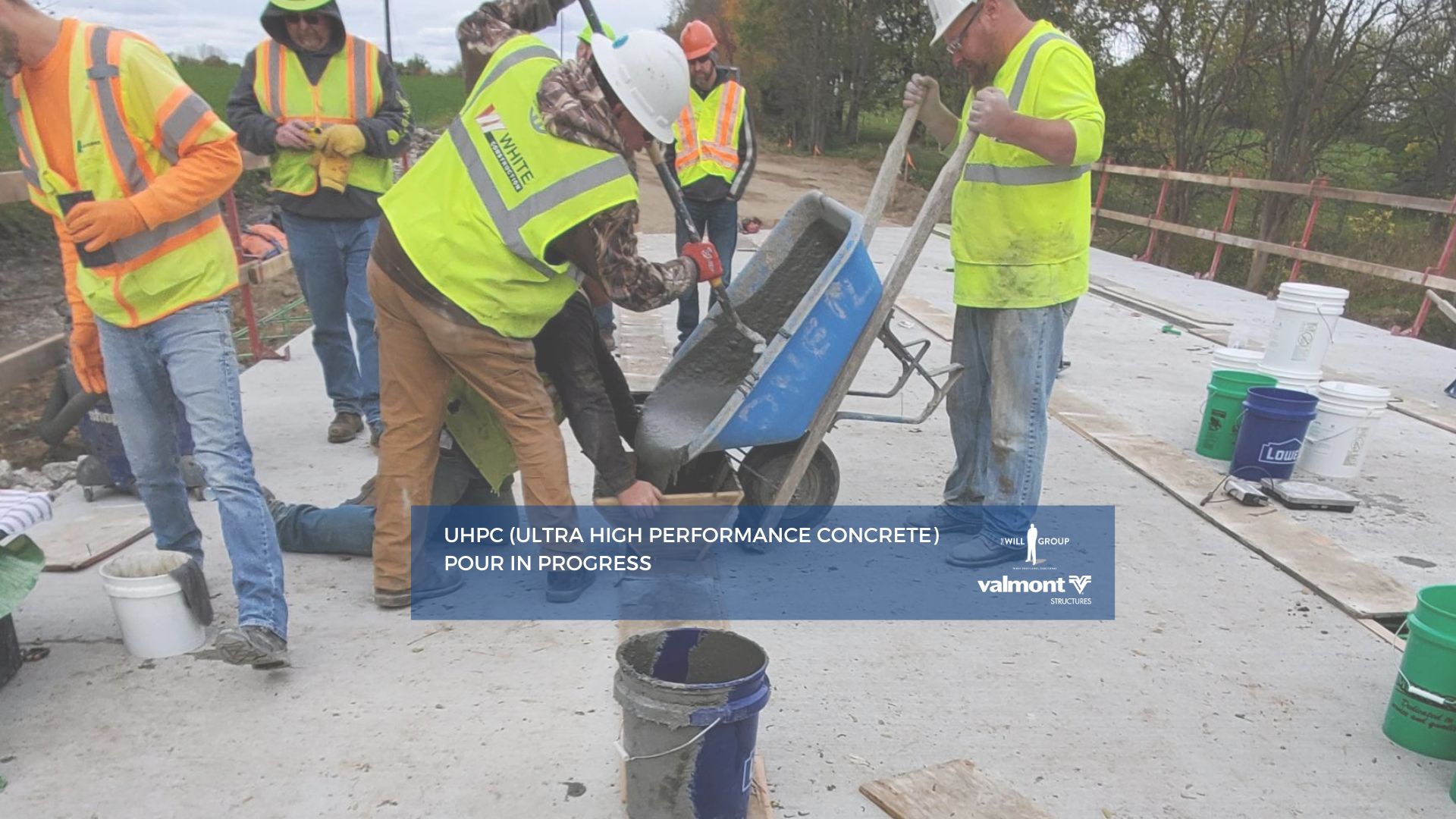
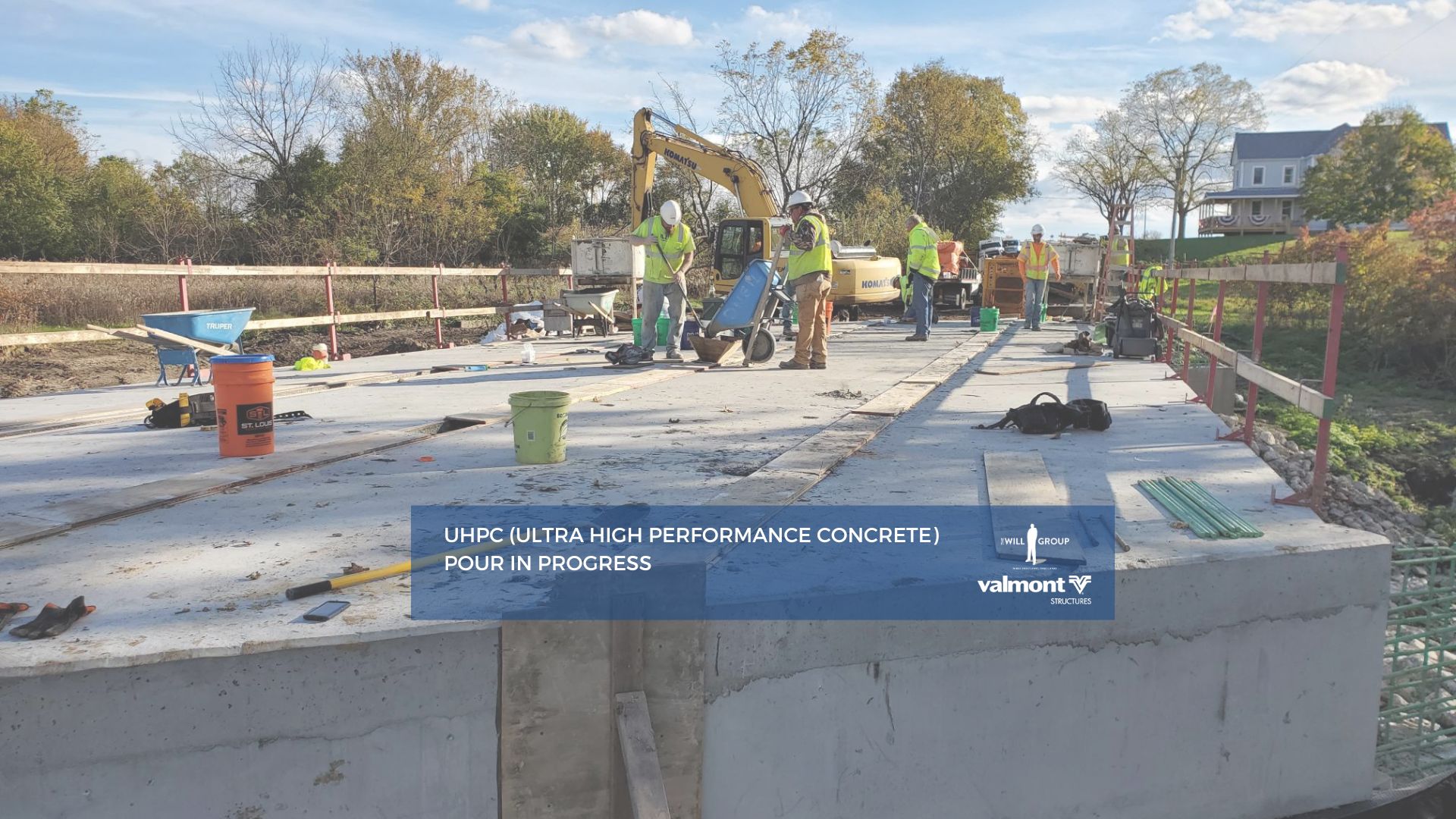
Project Details:
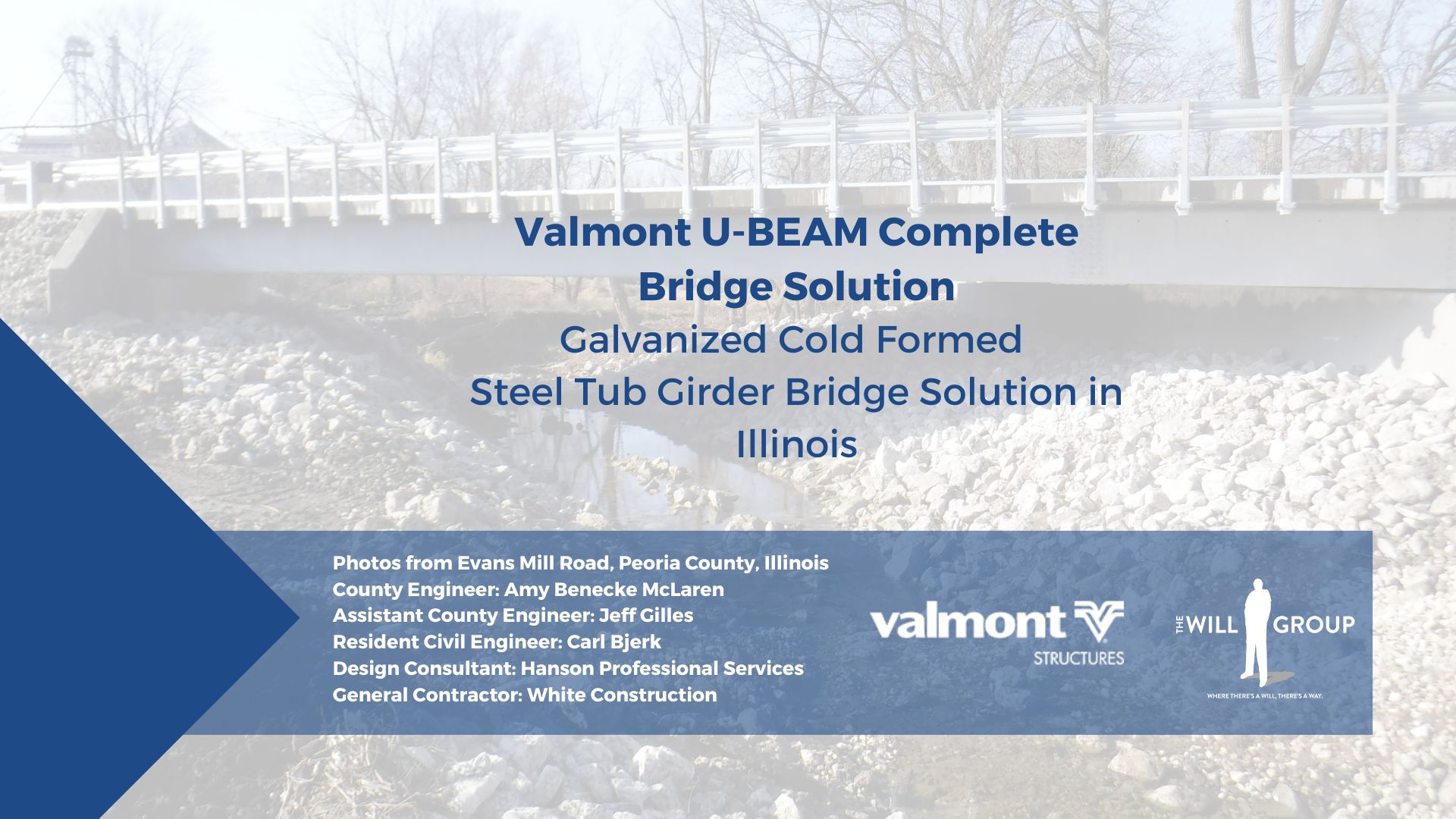
- Location: Evans Mill Road, Peoria County, Illinois
- Design Consultant: Hanson Professional Services
- General Contractor: White Construction
- County Engineer: Amy Benecke McLaren
- Assistant County Engineer: Jeff Gilles
- Resident Civil Engineer: Carl Bjerk
Existing Structure and Challenges:
The existing Evans Mill Road Bridge had reached the end of its useful life, with the structure showing signs of significant wear and deterioration. The bridge had been in service for several decades, and due to its outdated design and maintenance issues, it was no longer able to safely accommodate the traffic volume it served.
Key challenges included:
- Structural Deficiencies: The bridge was exhibiting signs of fatigue, with aging materials and structural components that required extensive repairs. The bridge was no longer meeting safety standards for modern traffic loads.
- Traffic and Safety: The aging bridge posed a safety risk, particularly for larger vehicles. With an increasing number of vehicles, including trucks, using Evans Mill Road as a major route, the bridge’s capacity and safety features were insufficient to meet current demands.
- Environmental Considerations: The bridge spans a waterway, and the project needed to minimize the environmental impact on the surrounding area, ensuring the preservation of local ecosystems.
- Disruption to Local Traffic: Evans Mill Road is an important route for local residents and businesses, requiring careful planning to ensure minimal disruptions during construction.
Solution:
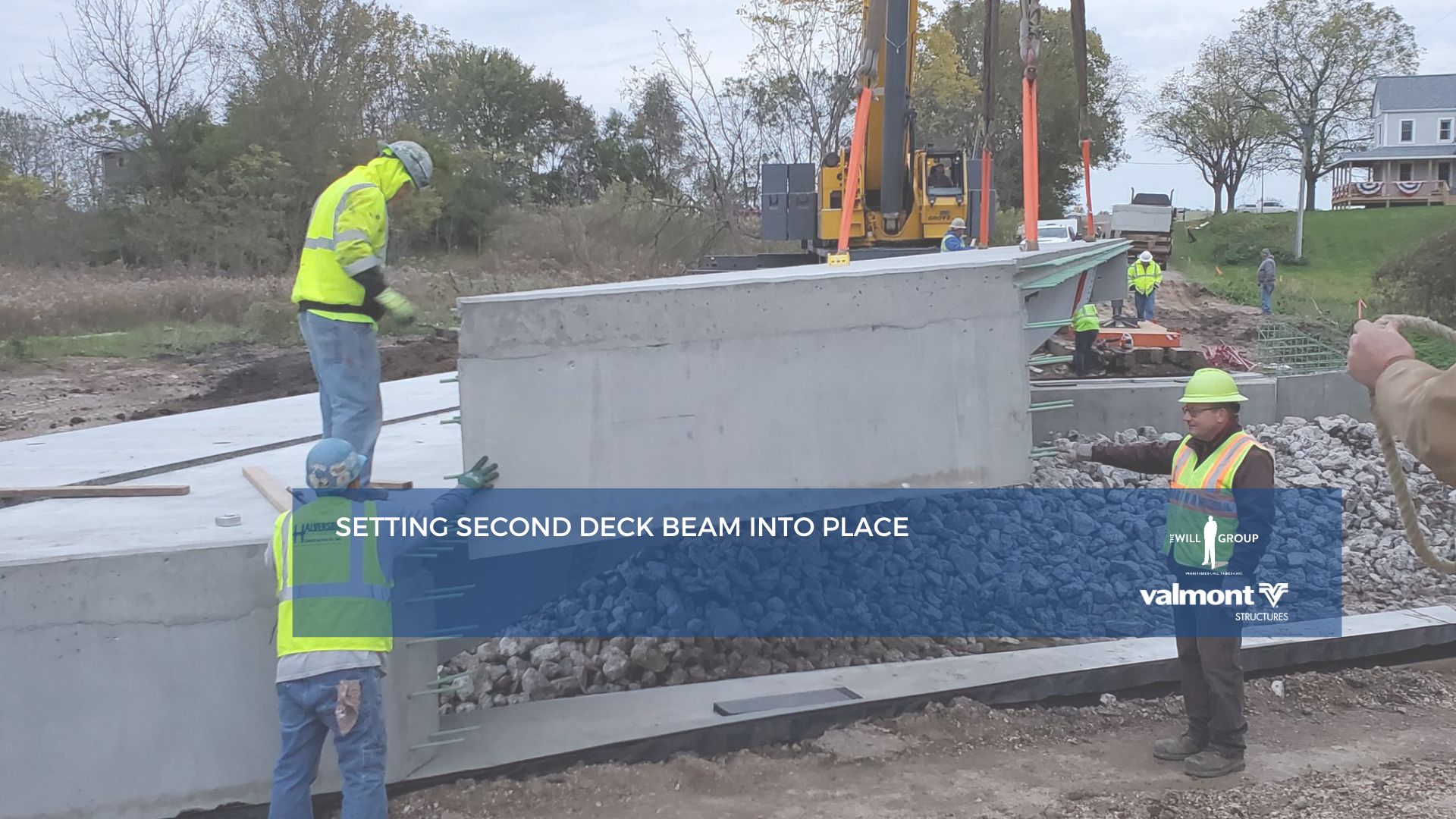
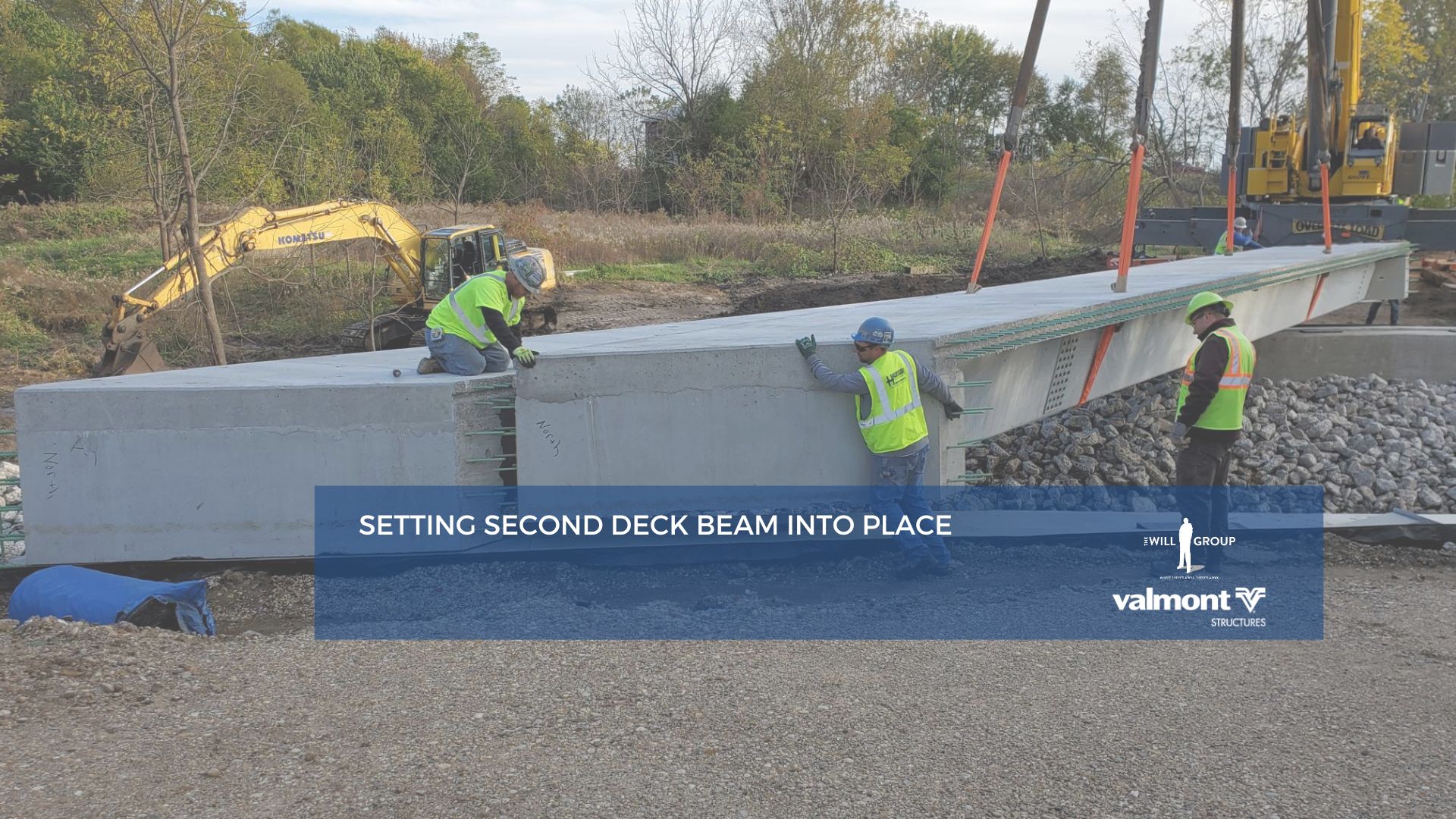
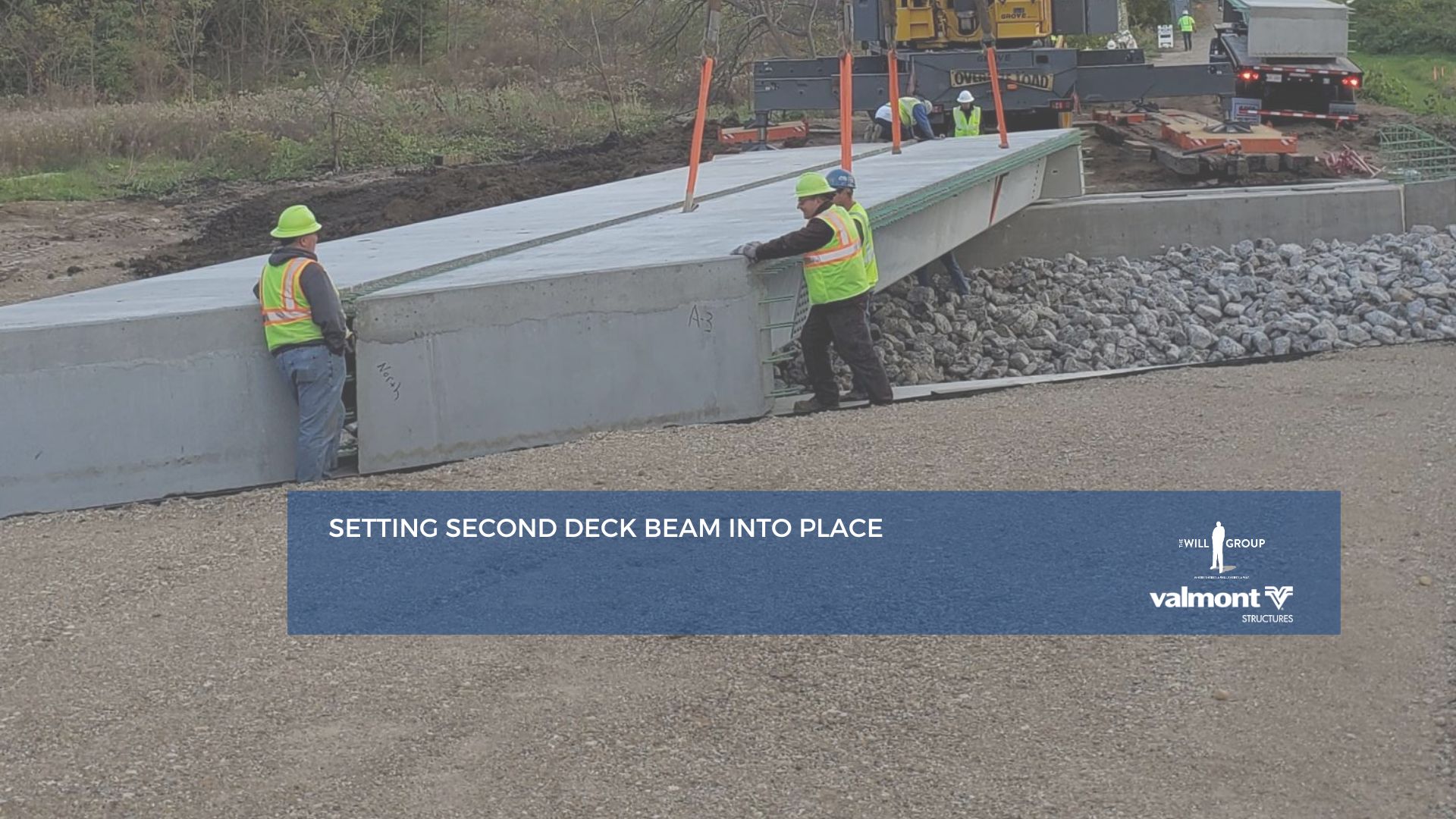
The replacement of the Evans Mill Road Bridge was designed to improve safety, accommodate future traffic growth, and provide a more durable structure. The project was executed in a highly coordinated manner, involving multiple stakeholders and ensuring minimal impact on local traffic and the environment.
- Bridge Design: The new bridge was designed with increased width and load-bearing capacity to accommodate modern traffic loads, including larger vehicles. The design also considered pedestrian safety, with dedicated walkways integrated into the bridge structure. The new design also featured updated materials and construction methods to ensure a longer lifespan and reduce future maintenance costs.
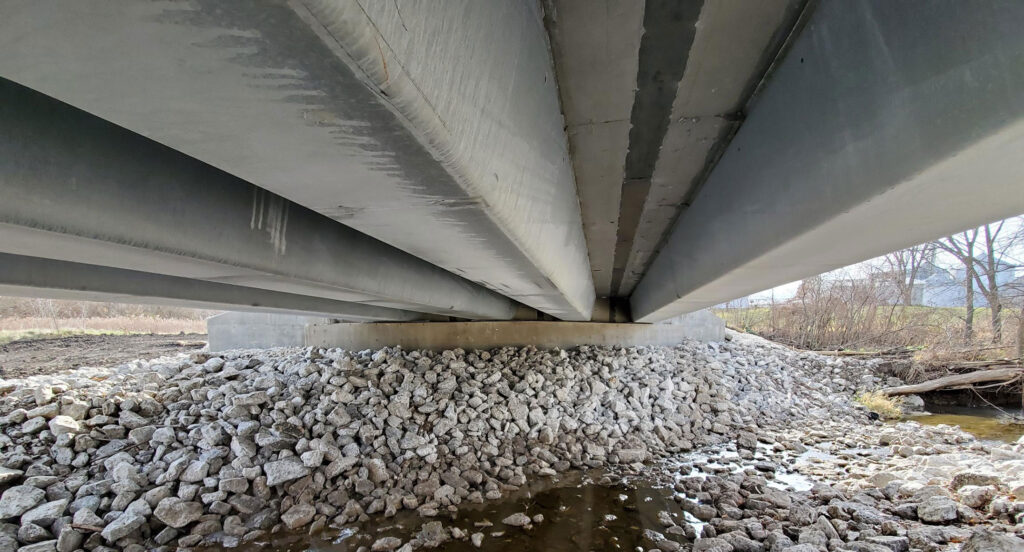
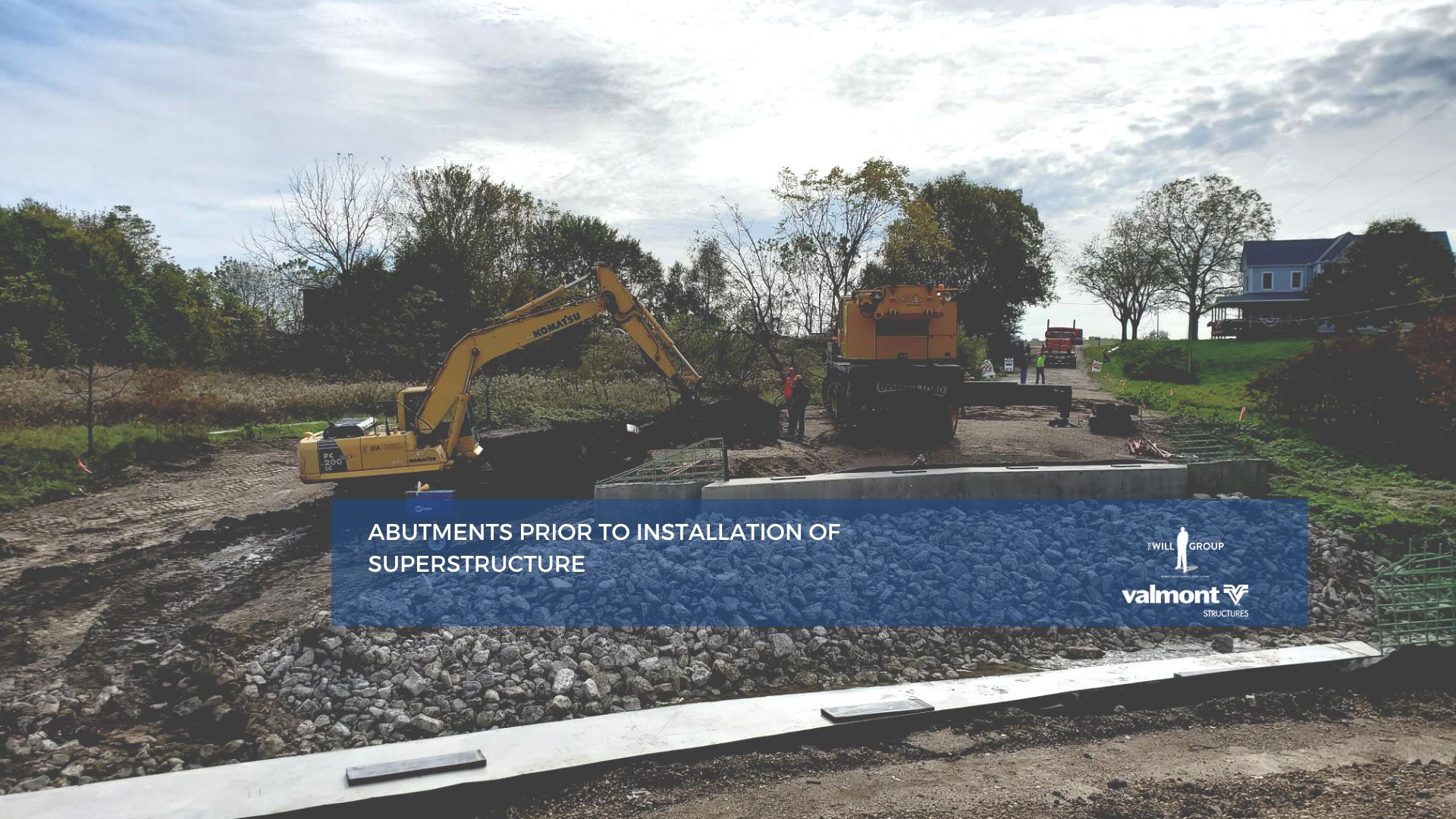
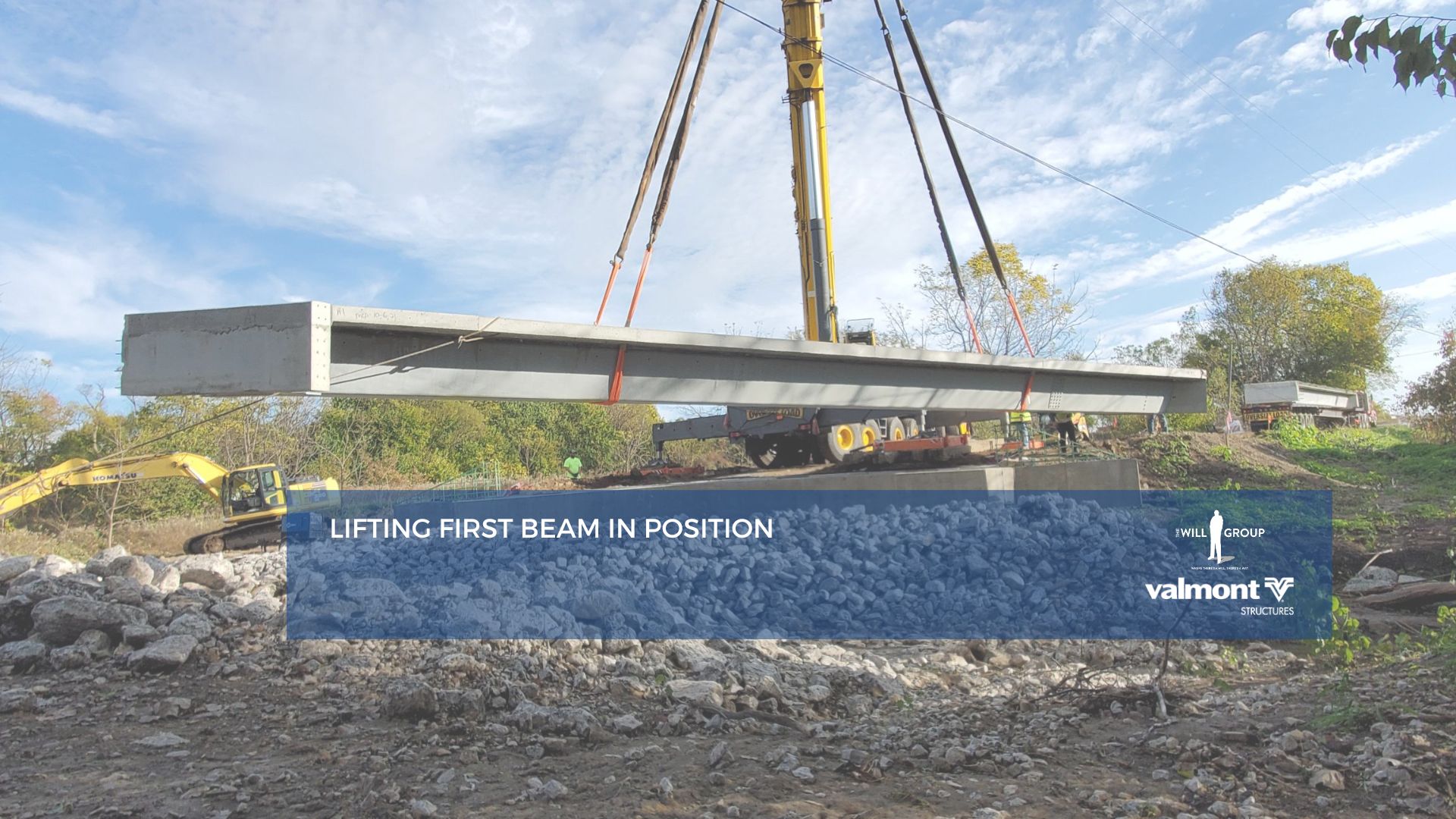
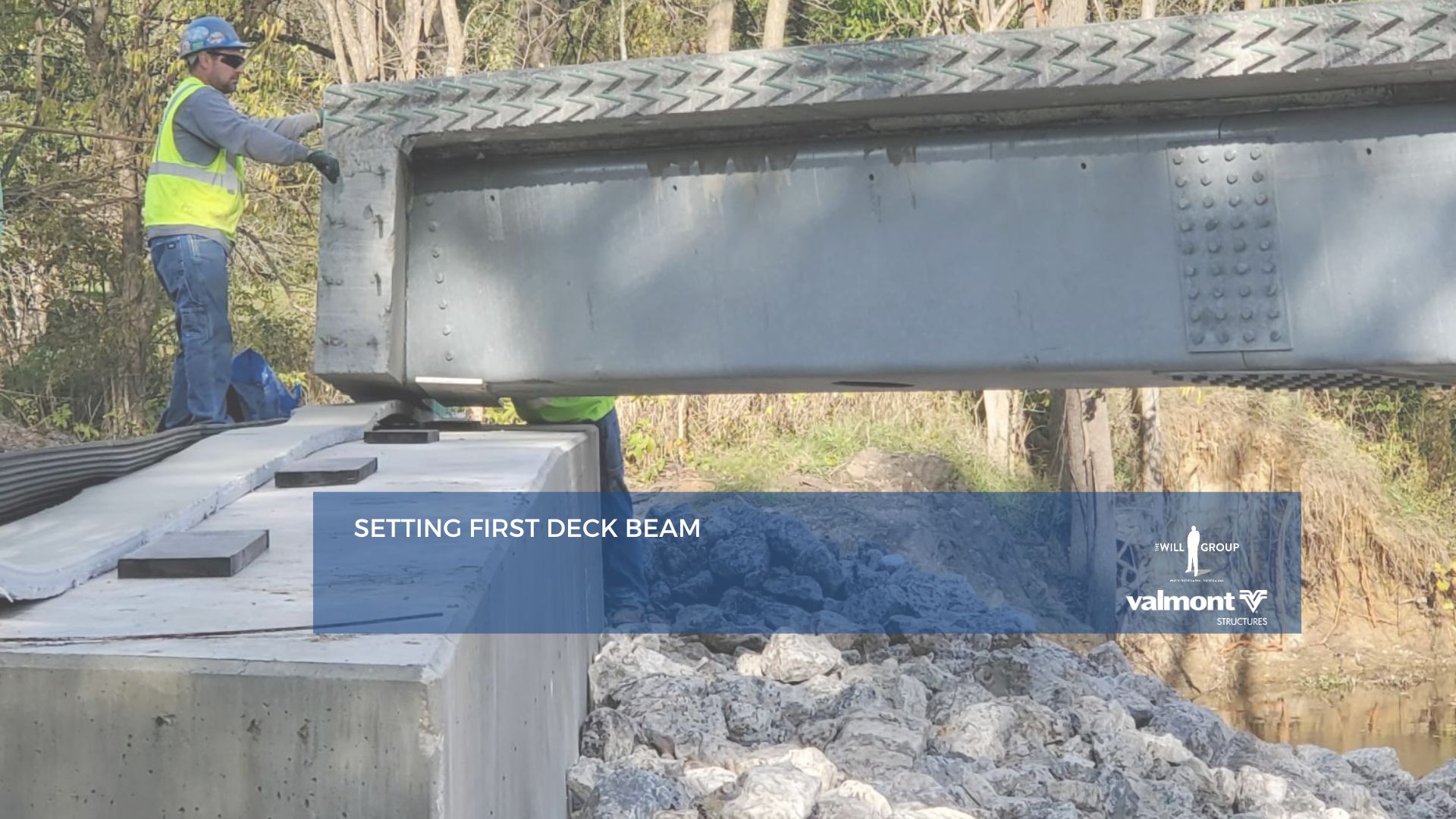
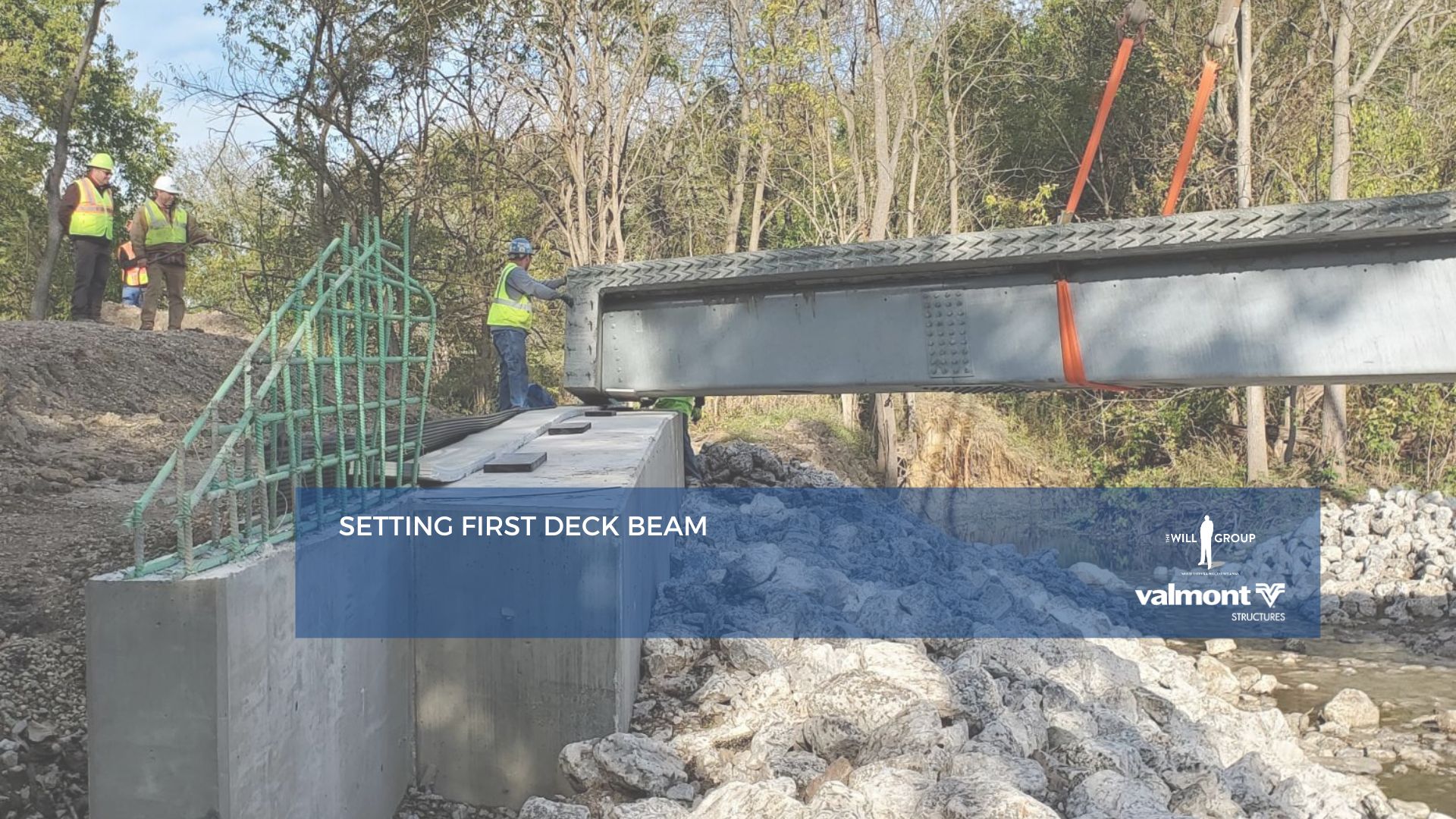
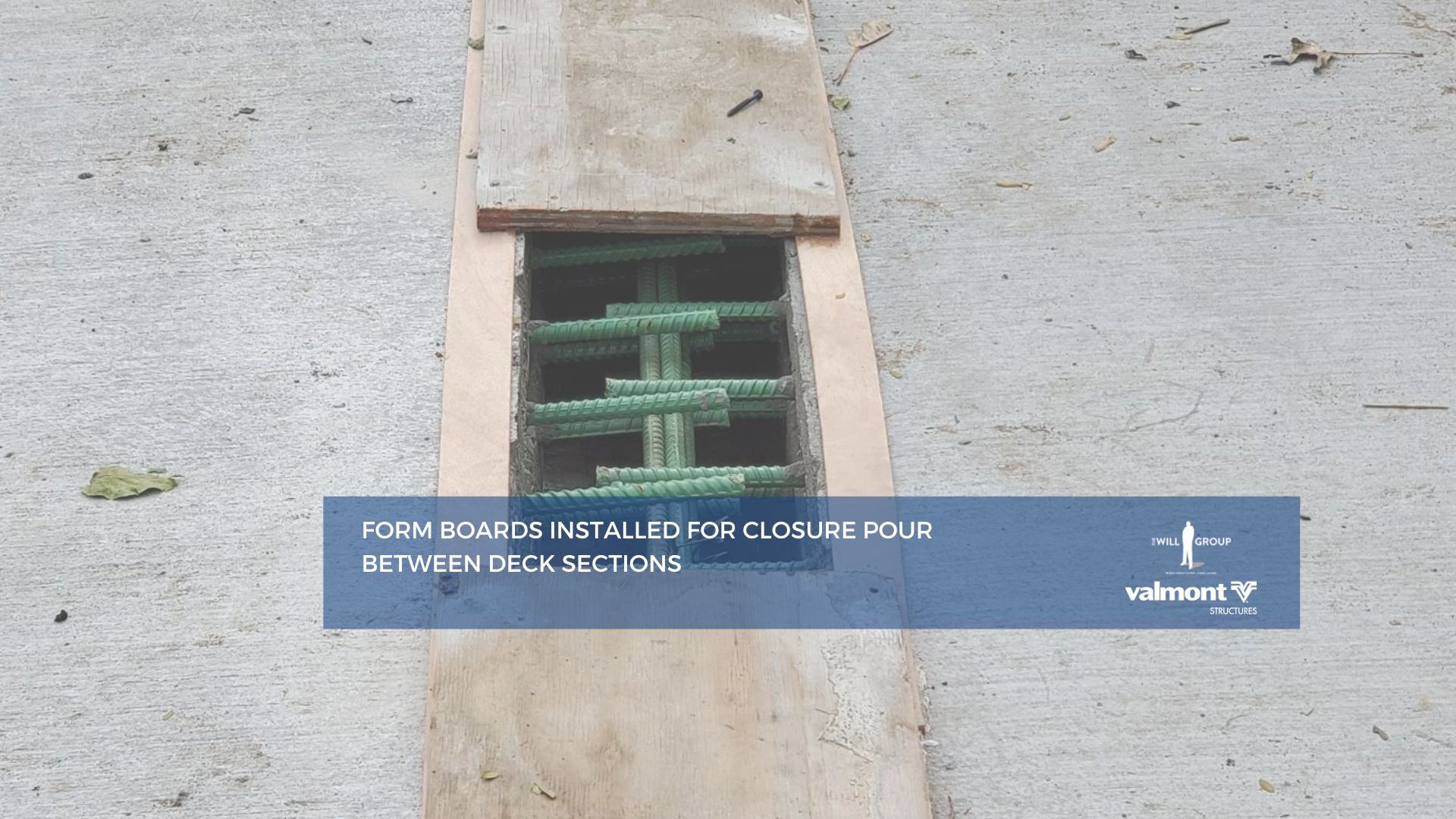
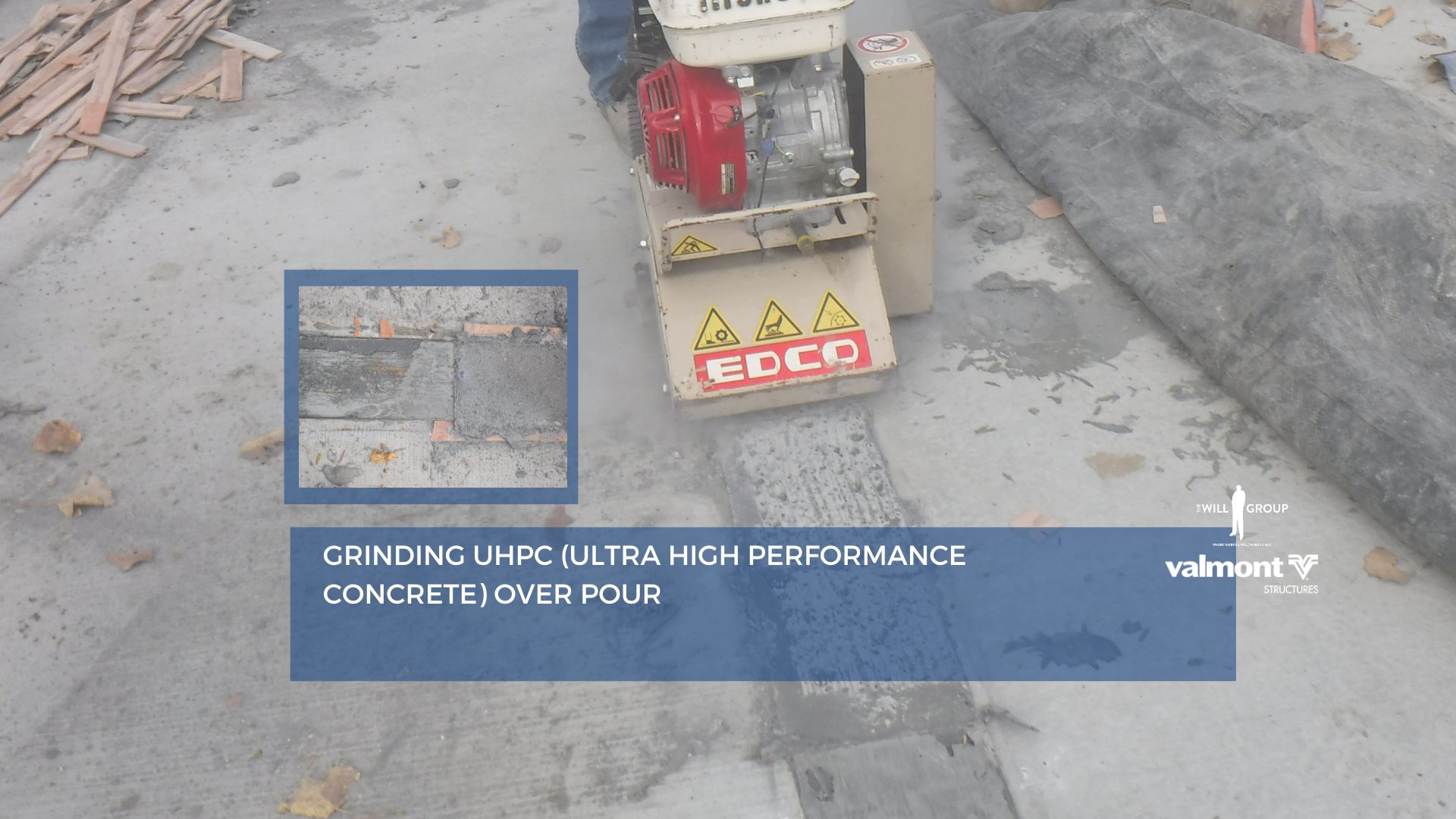
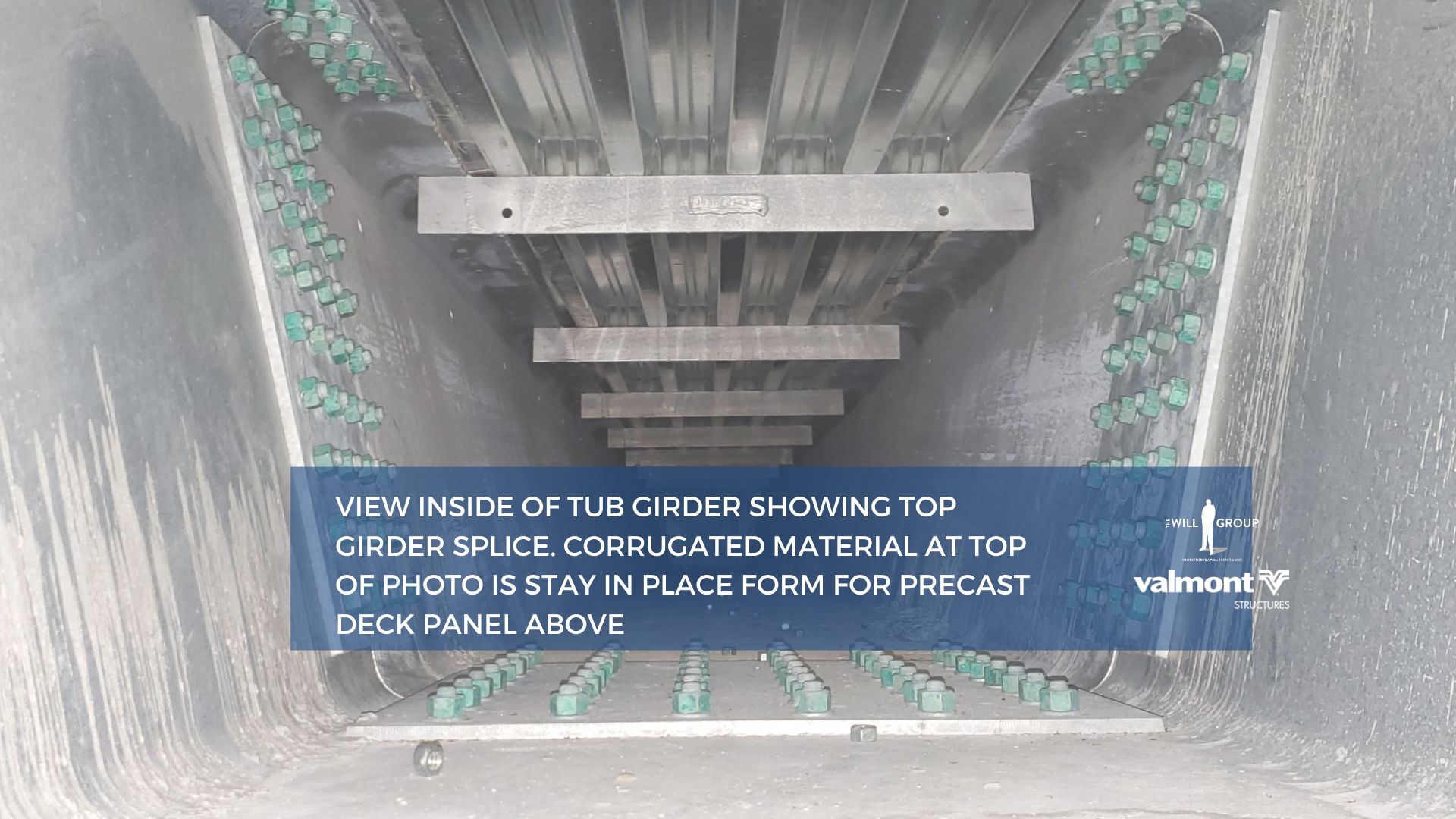
- Superstructure and Materials: The superstructure of the new bridge utilized high-quality, durable materials, including reinforced concrete and steel components. These materials were selected for their strength, durability, and ability to withstand the wear and tear of daily traffic.
- Environmental Sensitivity: The project was designed with a focus on environmental preservation. Efforts were made to minimize disruptions to the local waterway and surrounding ecosystem during construction. Erosion control and sediment management strategies were implemented to protect water quality.
- Construction Phases and Traffic Management: The construction process was carried out in phases, with careful attention to minimizing traffic disruption. A detour route was established for local traffic, and efforts were made to ensure that the bridge replacement was completed in a timely manner with minimal disruption to residents and businesses. Coordination with local authorities ensured that alternative routes were clearly marked and accessible.
- Project Execution and Oversight: The project was overseen by Amy Benecke McLaren and her team at Peoria County, with Jeff Gilles assisting with day-to-day project management. Carl Bjerk, as the Resident Civil Engineer, played a key role in ensuring the project met engineering specifications, adhered to timelines, and stayed within budget. The general contractor, White Construction, was responsible for executing the construction work, while Hanson Professional Services provided the design and technical expertise.
Outcome:
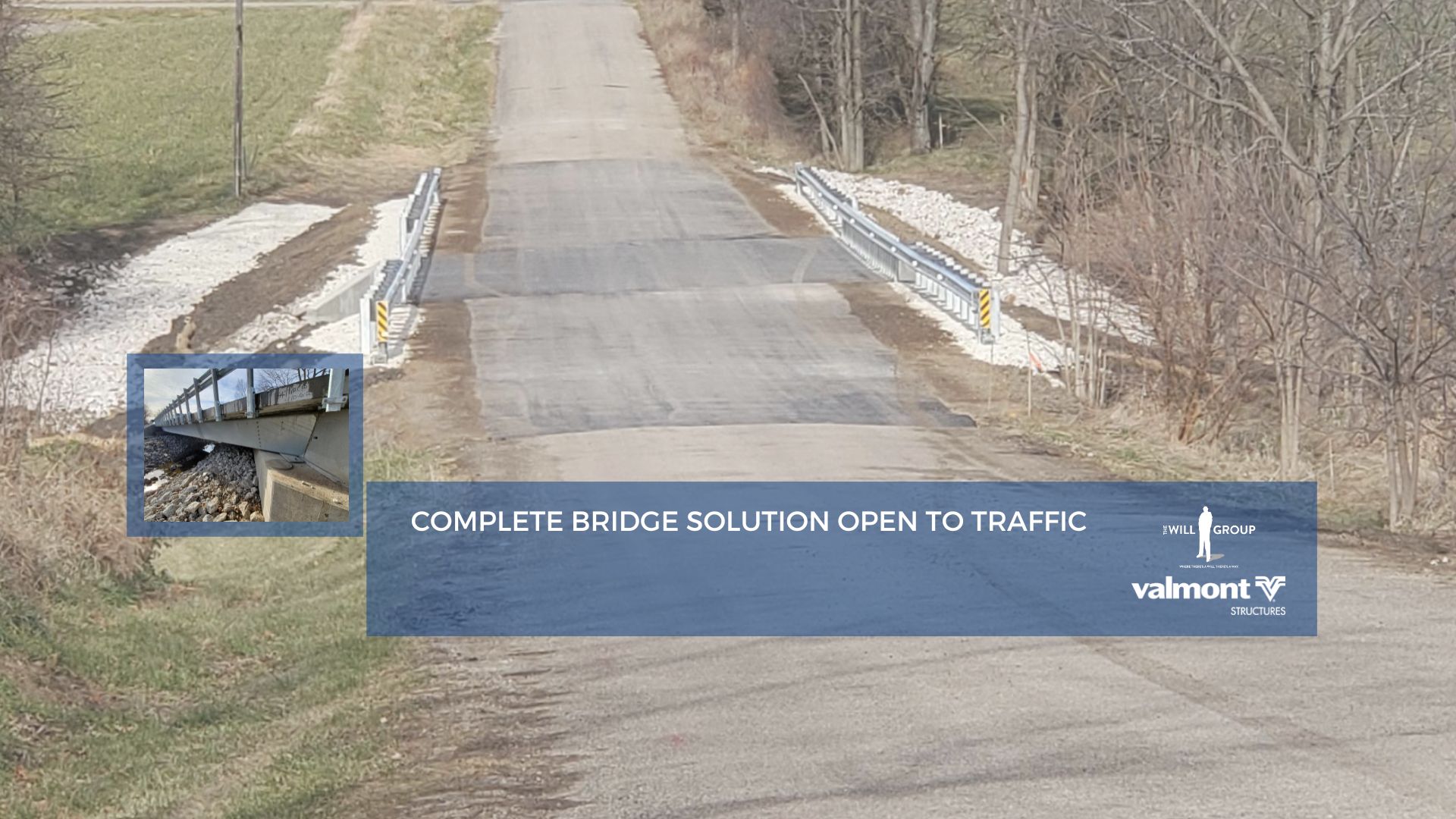
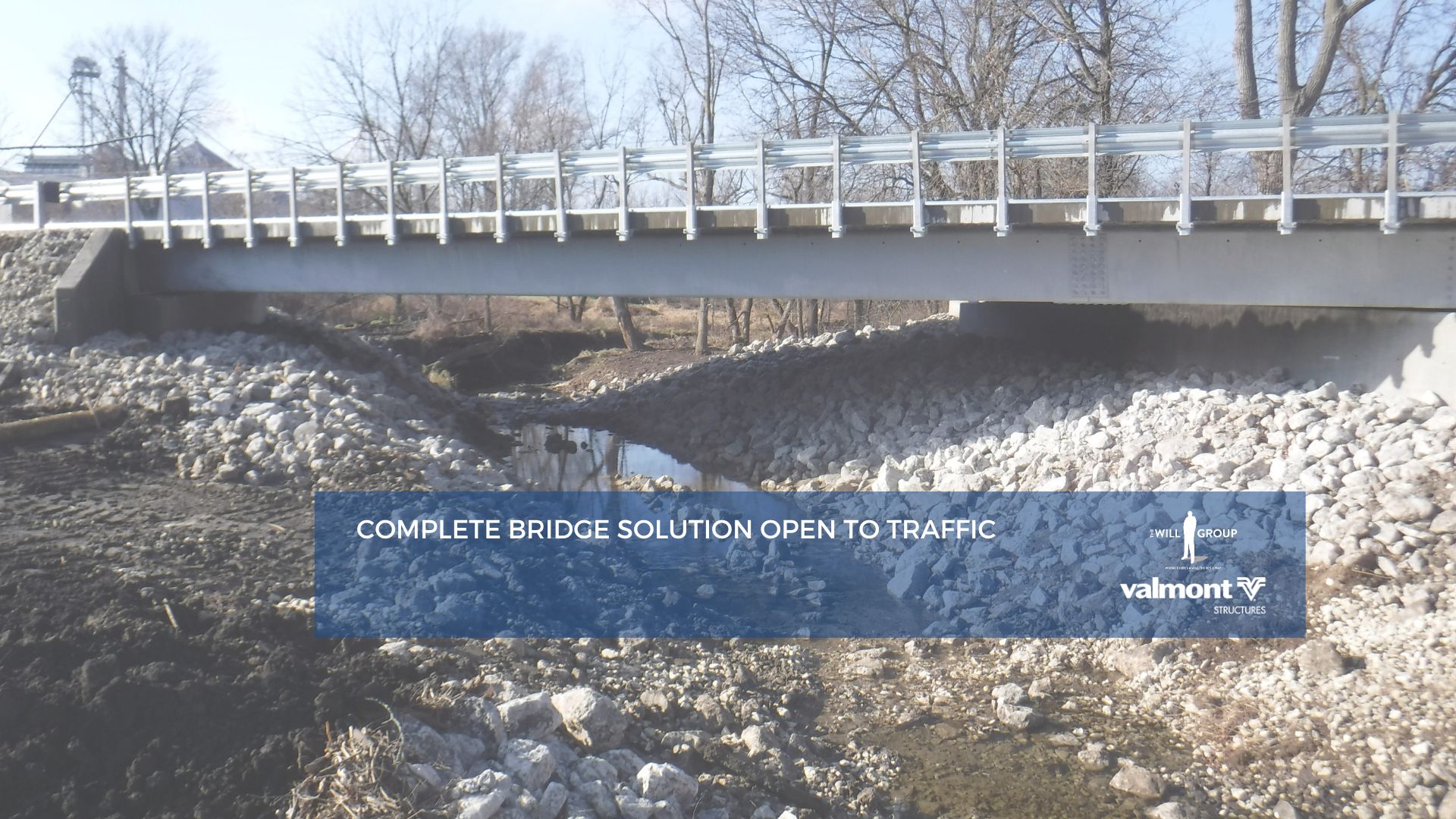
The Evans Mill Road Bridge replacement project was completed successfully, addressing both structural and safety concerns while ensuring minimal disruption to the community. The outcomes of the project include:
- Improved Safety: The new bridge has enhanced safety for all users, with wider lanes and updated pedestrian facilities. The design also accommodates larger trucks and emergency vehicles, reducing the risk of accidents.
- Increased Durability: The new bridge is built with modern materials and construction techniques, ensuring that it will serve the community for many years with minimal maintenance requirements.
- Environmental Protection: The project was carried out with a strong commitment to environmental sustainability, including measures to protect local waterways and minimize construction-related impacts.
- Minimal Disruption: The phased construction approach and effective traffic management strategies ensured that local traffic was not significantly disrupted. The temporary detour allowed for continued access while the bridge was being replaced.
Lessons Learned:
- Effective Coordination: Coordination between the engineering team, design consultant, contractor, and local authorities was essential for keeping the project on track and minimizing delays. Early communication with residents and businesses also helped to manage expectations.
- Environmental Sensitivity: Protecting the local ecosystem was a priority throughout the project. Implementing erosion control measures and monitoring water quality during construction ensured minimal environmental impact.
- Phased Construction for Traffic Management: Phasing the construction work and implementing a well-planned detour helped maintain traffic flow while allowing for safe construction. The project team worked efficiently to complete the work within the established timeframe.
Conclusion:
The Evans Mill Road Bridge replacement project successfully addressed the structural deficiencies of the old bridge while enhancing safety and environmental sustainability. The Peoria County Highway Department, in collaboration with Hanson Professional Services and White Construction, delivered a modern, durable bridge that will serve the community for decades to come. The project is a prime example of how thoughtful planning, design, and execution can result in a safer, more efficient infrastructure that meets the needs of both the local population and the surrounding environment.